
Landed Costs in Oman: How Odoo Helps Importers Stop Guessing Their Real Margins
If your "profit" disappears after freight, customs, and clearing fees, you do not have a pricing problem. You have a landed-cost visibility problem.
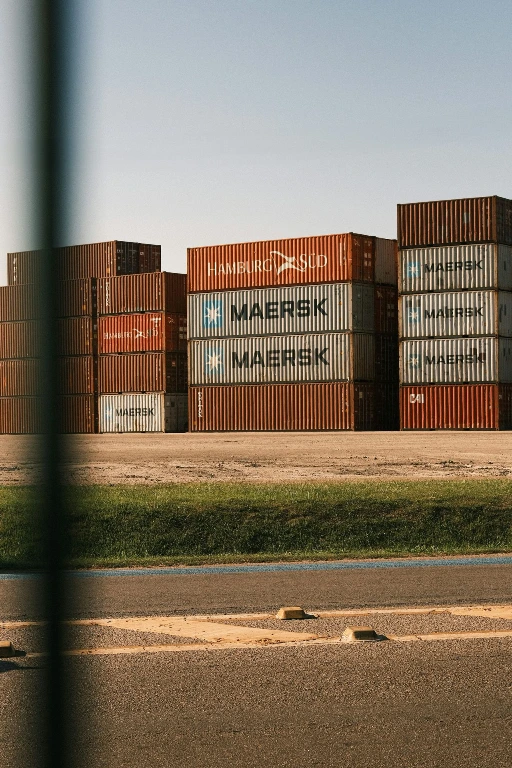
If you run an importing or distribution business in Oman, you already know the pain. The supplier price looks fine on the quotation, the stock arrives in Sohar or Muscat, and then the "extra costs" show up: freight, insurance, customs duty, port handling, clearing, inland transport, and bank charges.
When those costs live in emails and Excel, your team ends up making decisions with the wrong numbers. Sales quotes are based on supplier cost instead of true landed cost, inventory valuation becomes "whatever the last file says", and finance closes the month late even though Oman VAT is only 5%.
This post explains the practical way we implement Odoo landed costs for Oman trading companies so you get accurate margins, cleaner month-end closes, and fewer pricing surprises.
1) The Oman importer problem: cost is not the vendor price
In Oman, one shipment can include several cost buckets:
- International freight by sea or air
- Insurance where applicable
- Customs duty and port fees
- Clearing agent charges
- Local transport from port to warehouse
- Quality checks, relabeling, or repacking for FMCG and spare parts
If your inventory is priced and valued without those costs, you create three problems at once: margins look better than they really are, replenishment decisions get distorted, and inventory valuation does not reconcile cleanly to vendor bills and stock movements.
Related: The Ultimate Guide to Oman VAT & E-Invoicing in Odoo (2026 Edition)
2) What good landed cost tracking looks like in Oman
Here is a simple example we use with Oman trading teams:
- Purchase: 1 container of LED fixtures = OMR 25,000
- Freight and insurance = OMR 1,200
- Clearing and port handling = OMR 450
- Local transport to warehouse = OMR 250
If you only record the supplier bill, the system thinks cost is OMR 25,000. But the true landed cost is OMR 26,900. That difference must be allocated to the products received, otherwise every margin report is wrong.
In Odoo, landed costs can be allocated by quantity, weight, volume, or current cost. For Oman importers, we usually allocate freight by weight or volume and clearing-related charges by current cost because they tend to scale with shipment value and paperwork complexity.
3) The Odoo setup that makes landed costs work
In Odoo 19, landed costs become useful only when three areas are configured correctly.
Inventory valuation method
If you want landed costs to update inventory value and cost of goods sold correctly, product categories must use the right inventory valuation configuration. This is where many Oman companies get stuck: the landed cost entry exists, but management reporting still feels wrong.
Costing method: AVCO vs FIFO
- AVCO: a practical fit for trading companies receiving the same SKU repeatedly
- FIFO: a better fit when shipment-to-shipment costs vary heavily and traceability matters
Clean receiving workflow
The landed cost must attach to the exact receipt that brought stock into the warehouse. Without that link, finance cannot reconcile the numbers later.
Official docs:
4) The practical workflow we implement for Oman importers
This is the operational flow we usually implement for trading and distribution teams in Oman.
Step 1: Purchase order and receipt
- Confirm the purchase order
- Receive goods into the correct warehouse or branch location
- Validate the receipt so the stock is traceable and real
Step 2: Vendor bills
- Post the supplier invoice for the goods
- Post separate bills for freight, clearing, and transport, or split them clearly on one bill
Step 3: Landed cost entry
- Link the landed cost to the relevant receipt
- Add freight, clearing, and transport as cost lines
- Choose the right allocation method
- Validate the landed cost
After validation, Odoo updates inventory valuation, product costs, and future COGS calculations so profit reporting reflects reality rather than supplier price alone.
Related: Murjan Global: Automating Wholesale & Retail in Oman with Odoo 19
5) The outcome: pricing confidence, faster closing, cleaner reporting
When landed costs are implemented properly, three changes happen quickly in Oman SMEs:
- Sales stops underpricing: price lists and discounts reflect true cost, not just supplier invoices
- Inventory valuation becomes explainable: increases can be traced to specific receipts and landed-cost adjustments
- Month-end gets calmer: vendor bills, receipts, and period locks line up more cleanly for reporting and VAT control
Related: OTA E-Invoicing Readiness in Oman
Oman Tax Authority: VAT portal
Conclusion: If you import in Oman, landed costs are not optional
If your business imports goods, the biggest profit leak is often the gap between the vendor price and the real landed cost. Odoo fixes that when the workflow is implemented end-to-end, from receipt to landed-cost allocation to reporting.
Book a free 15-minute landed-cost audit
We will review your purchase, receiving, and landed-cost workflow and show you the setup needed for accurate inventory valuation and margin reporting in Oman.